
Understanding the Difference Between Equine-Assisted Psychotherapy and Other Equine Therapies
All equine therapies share one powerful foundation — the healing bond between humans and horses.
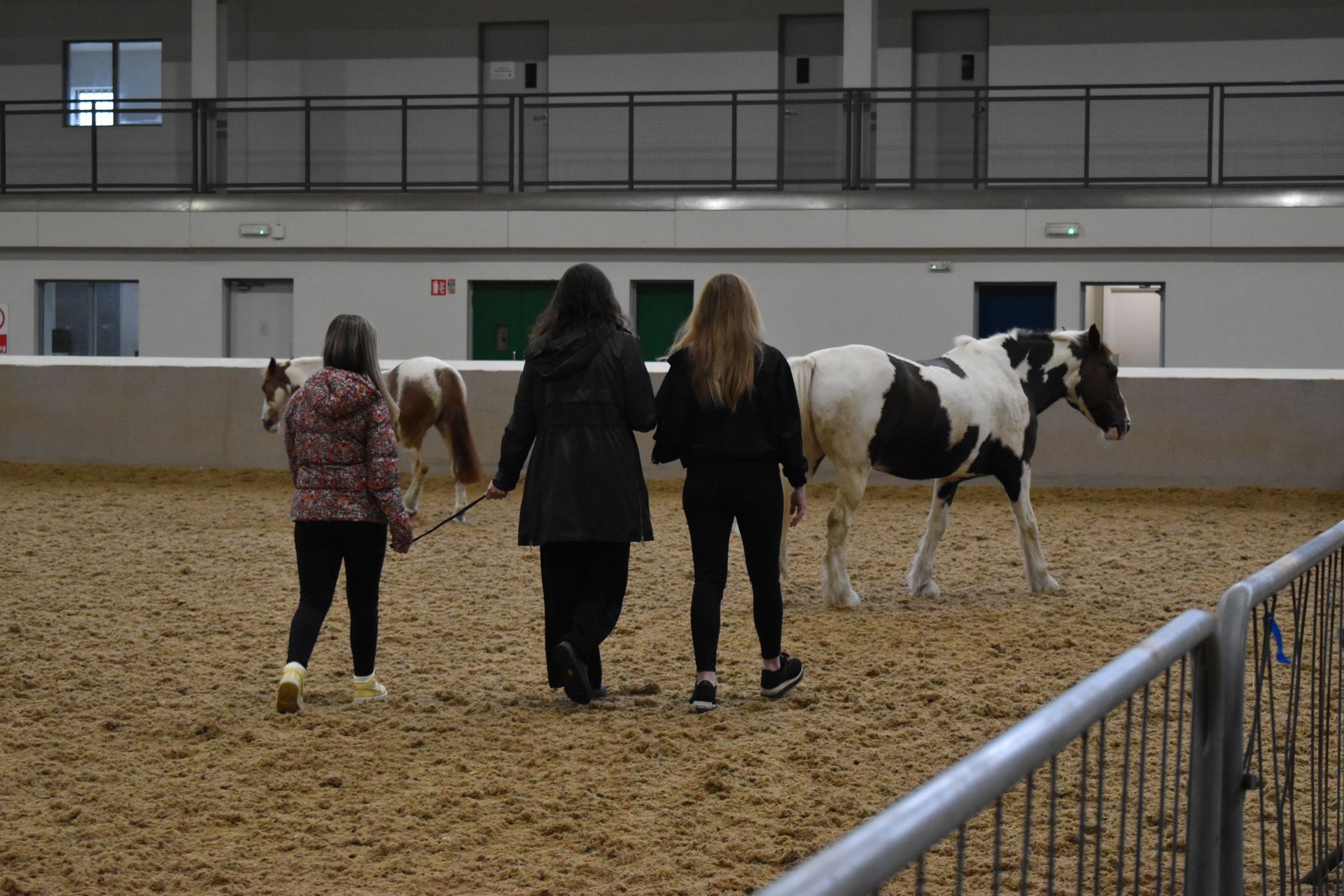
Horses have long been admired for their beauty, strength, and sensitivity. In recent years, they’ve also become trusted partners in healing — helping people build confidence, process emotions, and develop new life skills. However, not all horse-related therapies are the same.
Two commonly used terms — Equine-Assisted Psychotherapy (EAP) and Equine Therapy — are often used interchangeably, but they refer to very different approaches with distinct goals, methods, and professionals involved. Understanding these differences is key to finding the right kind of support for emotional growth and wellbeing.
The Common Thread is Healing Through Connection
Regardless of the specific approach, all equine therapies share one powerful foundation — the healing bond between humans and horses. Horses have an extraordinary ability to connect with people, offering presence, honesty, and acceptance without judgment.
Whether through the structured process of psychotherapy or the empowering experience of therapeutic riding, the connection with horses can open the door to profound personal growth and transformation.
What Is Equine-Assisted Psychotherapy (EAP)?
Equine-Assisted Psychotherapy is a mental health treatment that incorporates horses into the therapeutic process. It is conducted by an accredited mental health professional — such as a psychologist, psychotherapist, or counsellor — working alongside a qualified equine specialist.
In EAP, clients engage with horses (always on the ground, never riding). These interactions are then processed with the therapist and the equine specialist, to uncover emotional patterns, behaviours, and thought processes.
Goals of EAP:
- Improve emotional regulation and self-awareness
- Address trauma, anxiety, depression, or PTSD
- Build trust, empathy, and healthy boundaries
- Support communication and relationship skills
How It Works:
Horses are incredibly sensitive to human emotion and body language. They respond to subtle cues — tension, fear, confidence — providing immediate, nonjudgmental feedback. This mirrors how we interact with people and allows clients to explore emotional responses in a safe environment.
For example, if someone approaches a horse with nervous energy, the horse may back away. This opens a conversation about anxiety, boundaries, or communication styles — insights that can translate directly into real-life relationships.
What about the Other Equine Therapies?
The term “equine therapy” is broad and can refer to several different practices that use horses for physical, cognitive, or emotional development. These may or may not involve mental health professionals.
Common Types of Equine Therapies:
a. Therapeutic Riding
- Focus: Physical and cognitive development
- Led by: Certified riding instructors (not therapists)
- Goal: Improve coordination, balance, muscle tone, and confidence through riding
- Commonly used for: Individuals with physical disabilities, developmental delays, or autism
b. Equine-Assisted Learning (EAL)
- Focus: Personal growth, leadership, and life skills
- Led by: Trained equine facilitators or coaches
- Goal: Build teamwork, communication, and problem-solving abilities
- Commonly used in: Corporate leadership programs, schools, or youth development
c. Hippotherapy
- Focus: Clinical physical, occupational, or speech therapy using horse movement
- Led by: Licensed therapists (e.g., physiotherapists, occupational therapists, speech-language pathologists)
- Goal: Use the rhythmic motion of the horse to improve motor control, posture, and sensory processing
Here are some of the Key Differences at a Glance:
Equine-Assisted Psychotherapy (EAP) ........ Other Equine Therapies
Primary Focus-
EAP: Emotional and psychological healing
Other: Physical, cognitive, or personal development
Led By-
EAP: Licensed mental health professional + equine specialist
Other: Riding instructor, therapist, or coach
Activities-
EAP: Ground-based (non-riding) interactions
Other: Riding or movement-based exercises
Therapeutic Goal-
EAP: Address mental health issues,(Trauma, Anxiety, Depression) and enhance learning.
Other: Build skills, improve physical function, or enhance learning
Setting-
EAP: Psychotherapy sessions with horses
Other: Educational or rehabilitation programs
Core Principle-
EAP: Emotional reflection & behavioural insight through horse response
Other: Physical and experiential benefits from horse interaction
Choosing the Right Approach
If your goal is to heal from emotional trauma, manage mental health challenges, work through relationship issues, and to build confidence then Equine-Assisted Psychotherapy may be the right fit.
If, on the other hand, you’re looking, to enhance physical ability, or learn leadership and life skills, other forms of equine therapy like therapeutic riding, hippotherapy, or equine-assisted learning may be more appropriate.
The best choice depends on your needs — and it’s always important to ensure that the professionals involved are properly trained and credentialed for the type of therapy they’re offering.
Final Thoughts
Equine-assisted work is more than just spending time with horses — it’s a partnership that helps people heal, grow, and rediscover their inner strength. By understanding the differences between Equine-Assisted Psychotherapy and other equine therapies, individuals and families can make informed choices about the kind of healing journey that best fits their needs.